The Tech Issue
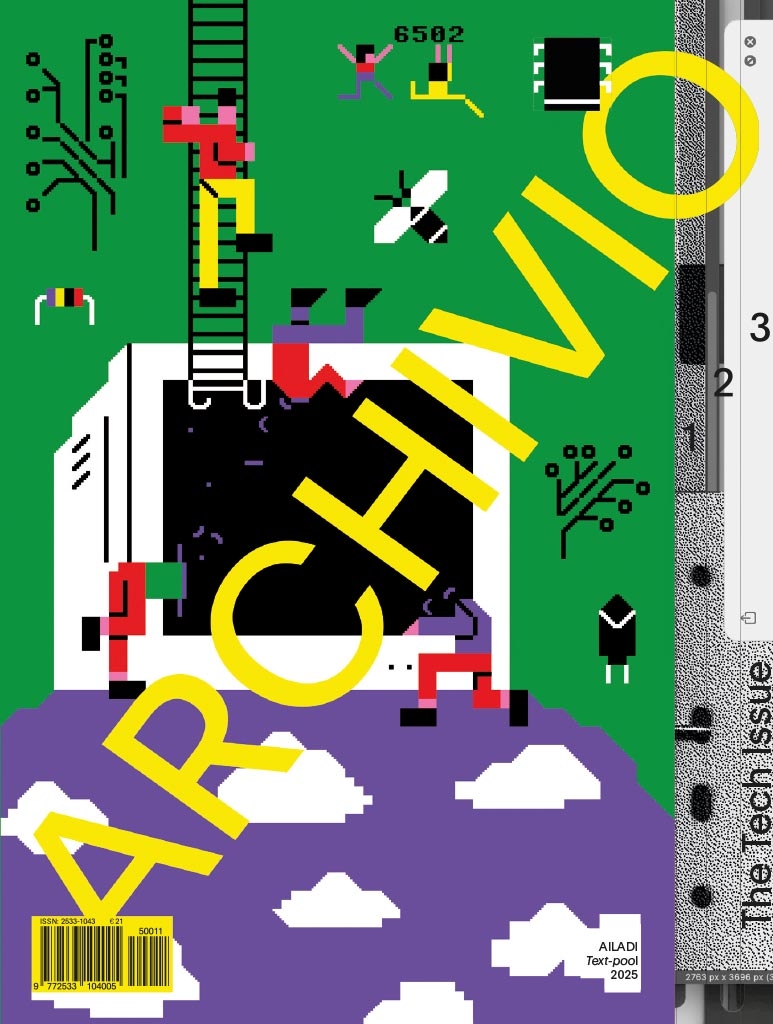
ARCHIVIO opens its third editorial cycle: four thematic issues, each curated by a Guest Editor with deep expertise, offering access to worlds where past, present, and future converge.
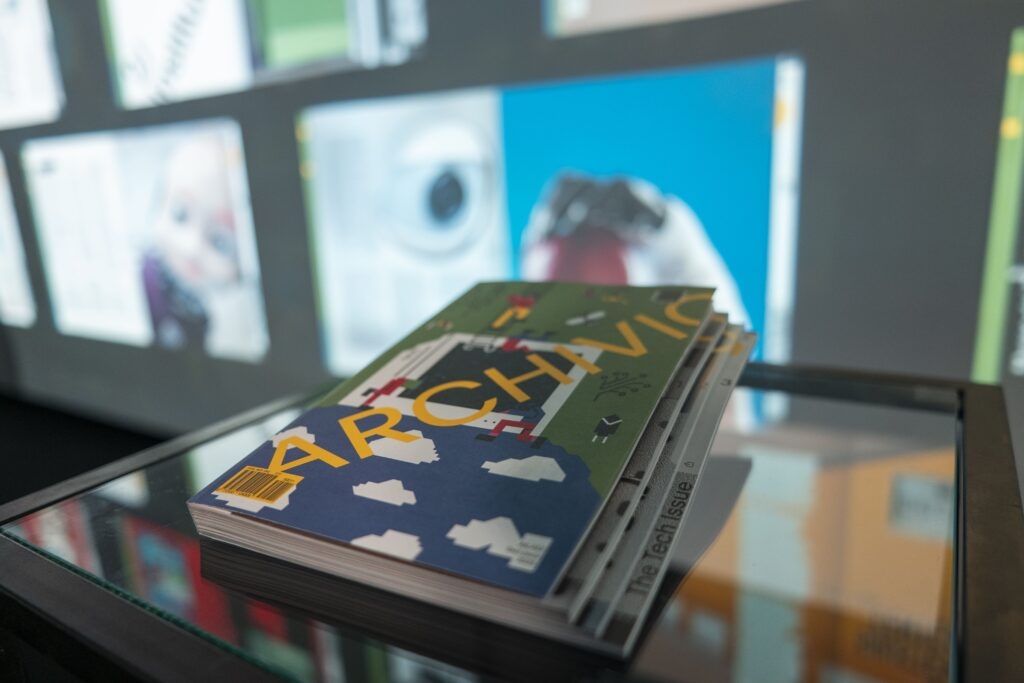
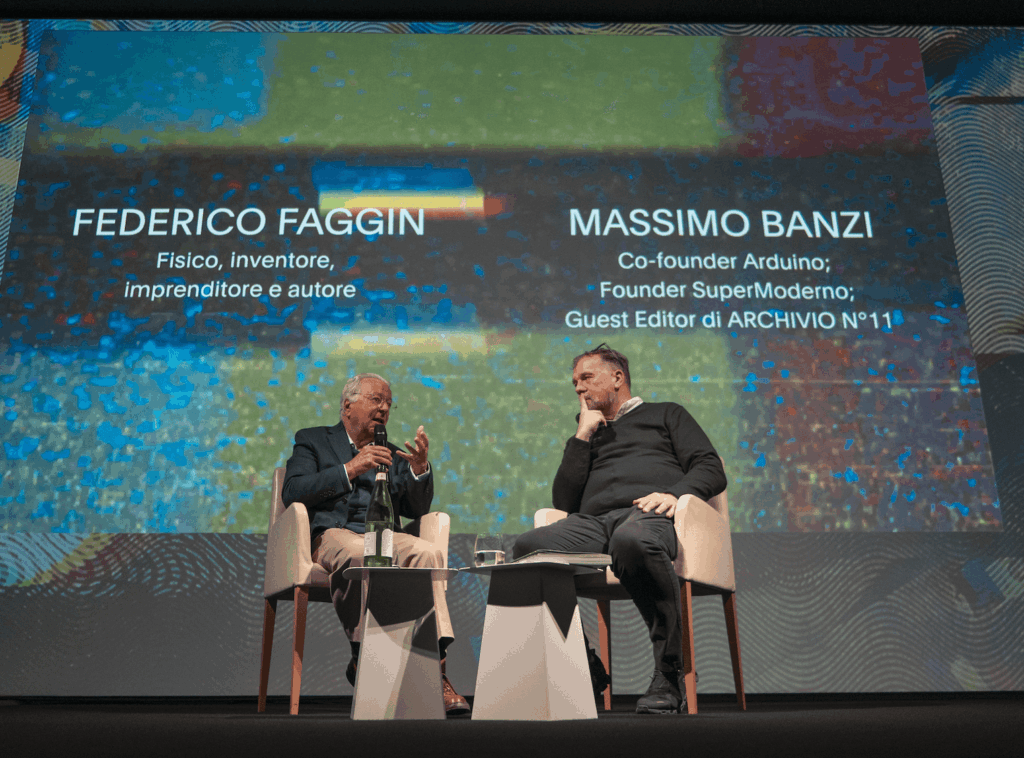
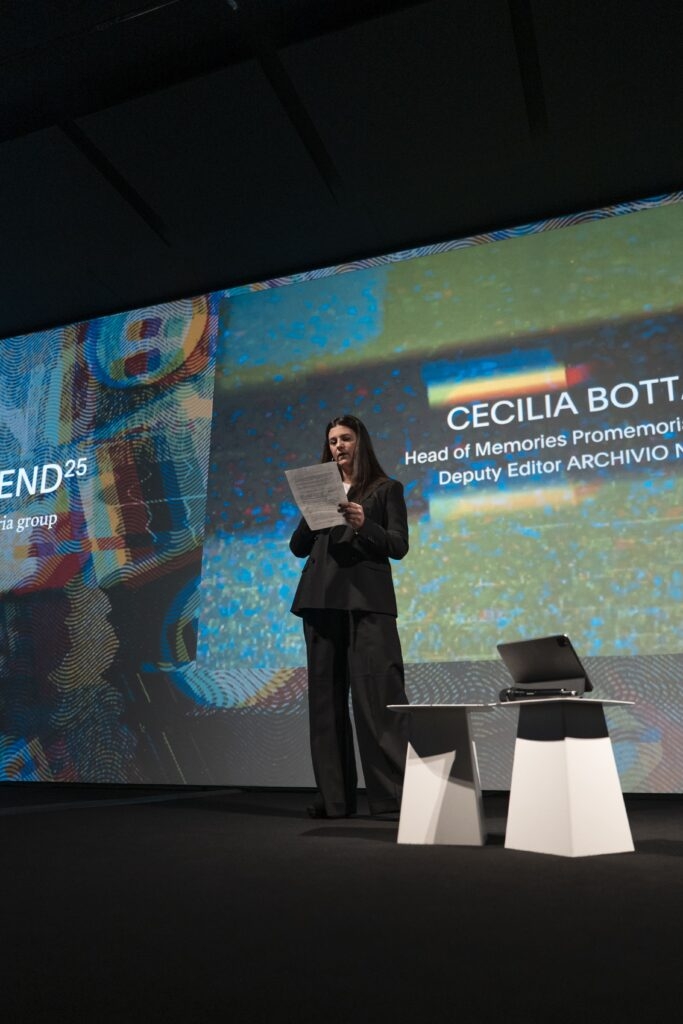
The third issue, ARCHIVIO N°11, focuses on technology and is curated by Massimo Banzi, co-founder of Arduino, together with Cecilia Botta, technology historian and Head of Memories at Promemoria Group, the magazine’s publisher. Daniela Hamaui oversees editorial direction, while Alessandro Gori shapes the art direction.
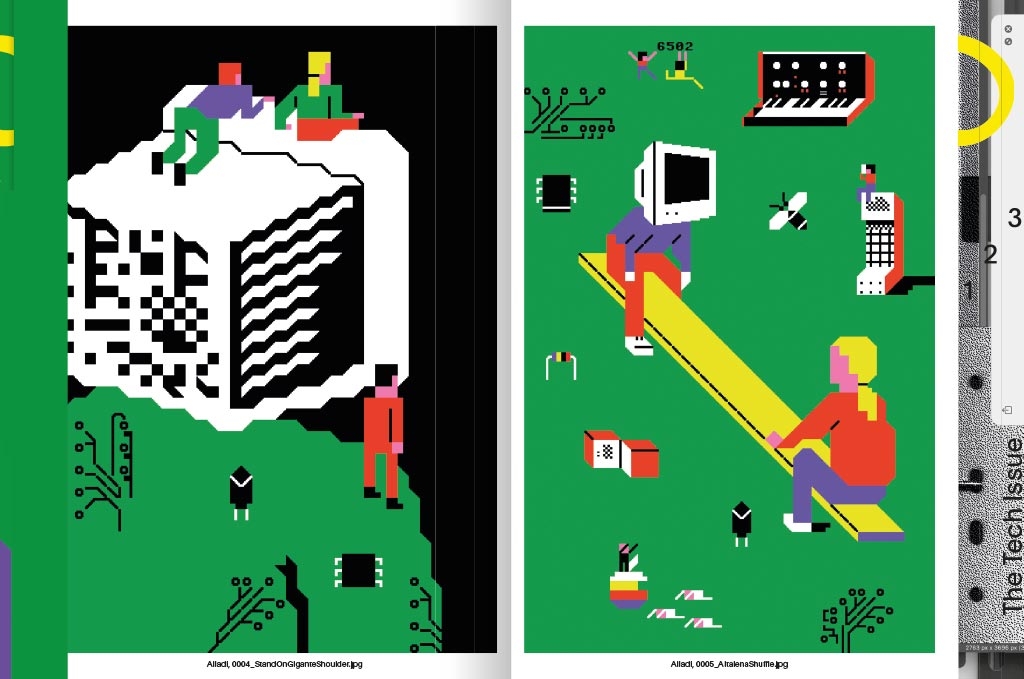
The cover, designed by artist Ailadi, pays tribute to the early aesthetics of the digital age. Created using PETSCII, the character set of Commodore 8-bit computers, it evokes the visual language of technology in its formative years.
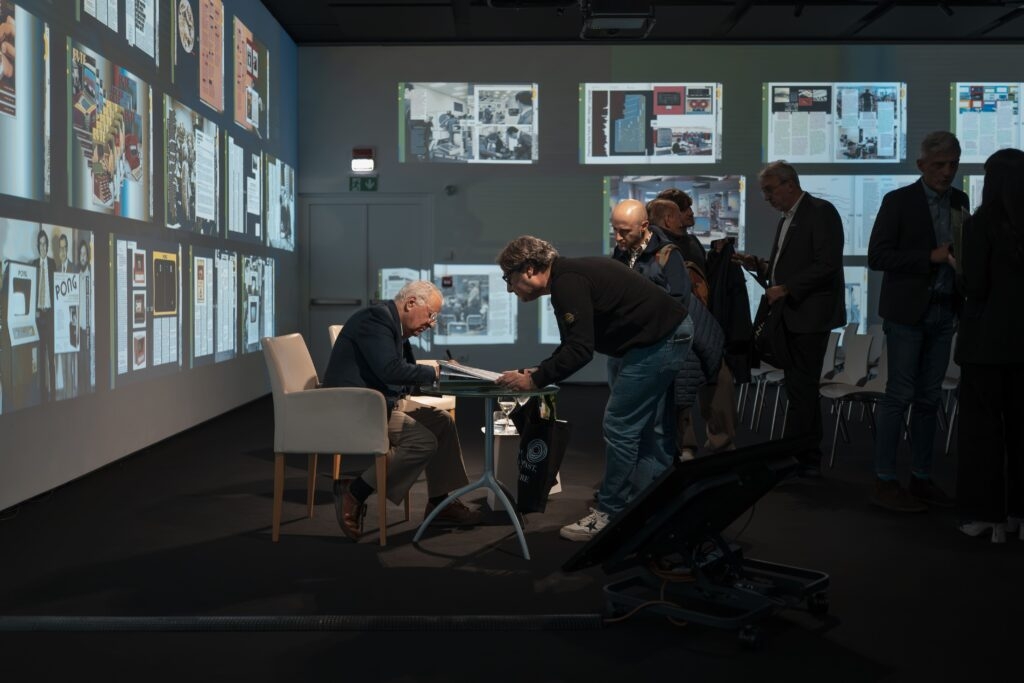
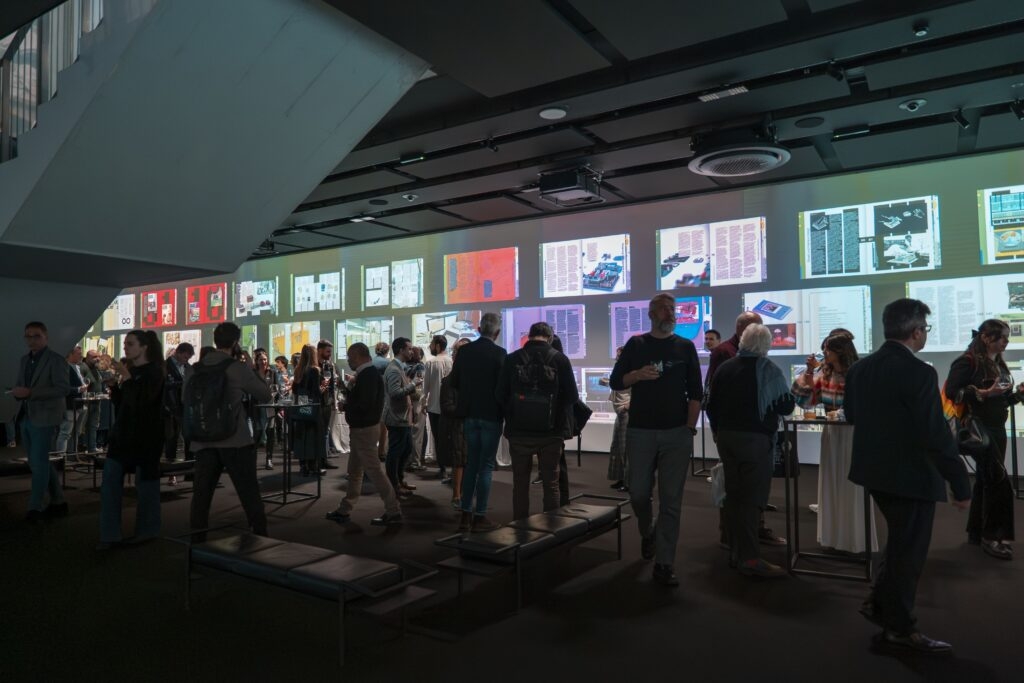
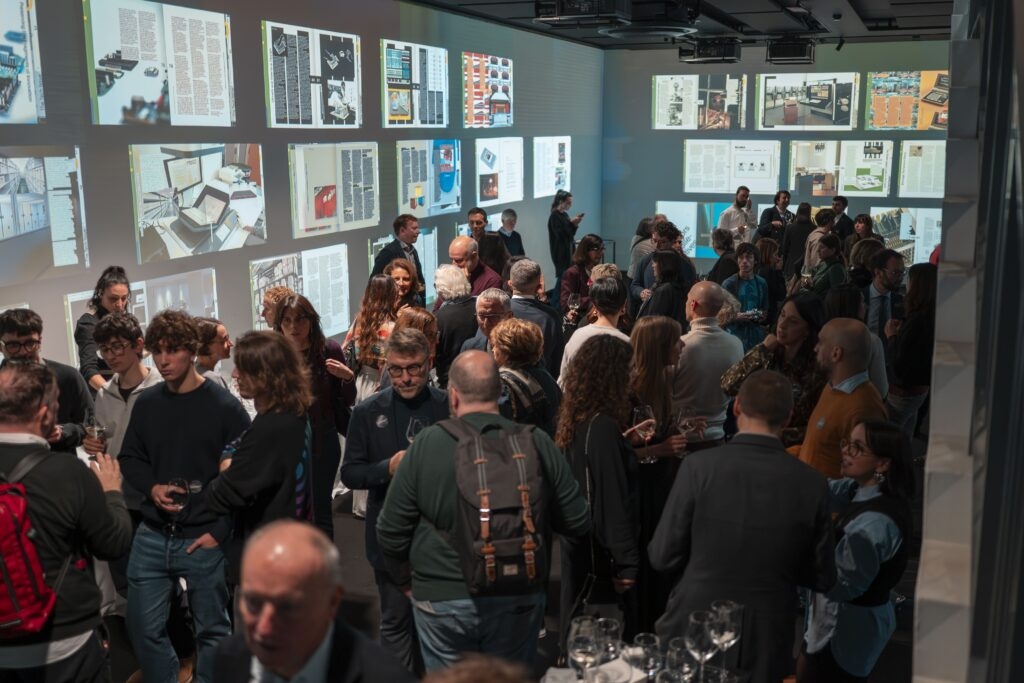
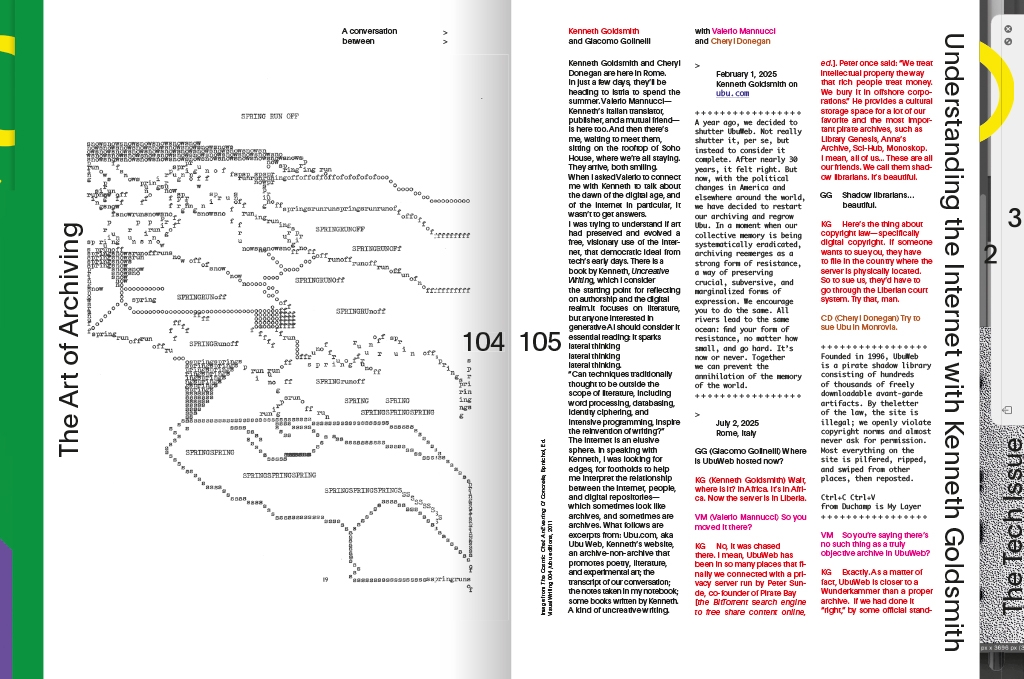
ARCHIVIO N°11 maps the international landscape of technology archives, tracing the roots of the digital revolution and exploring the places where our technological past is preserved, along with the collectors and institutions that recognized its cultural value.
The issue is structured in three sections — Stories, Institutions, Collectors & Collectives — and includes a special poster: an (in)complete mapping of Italy’s technology archives, researched by Promemoria Group and visually interpreted by Accurat.
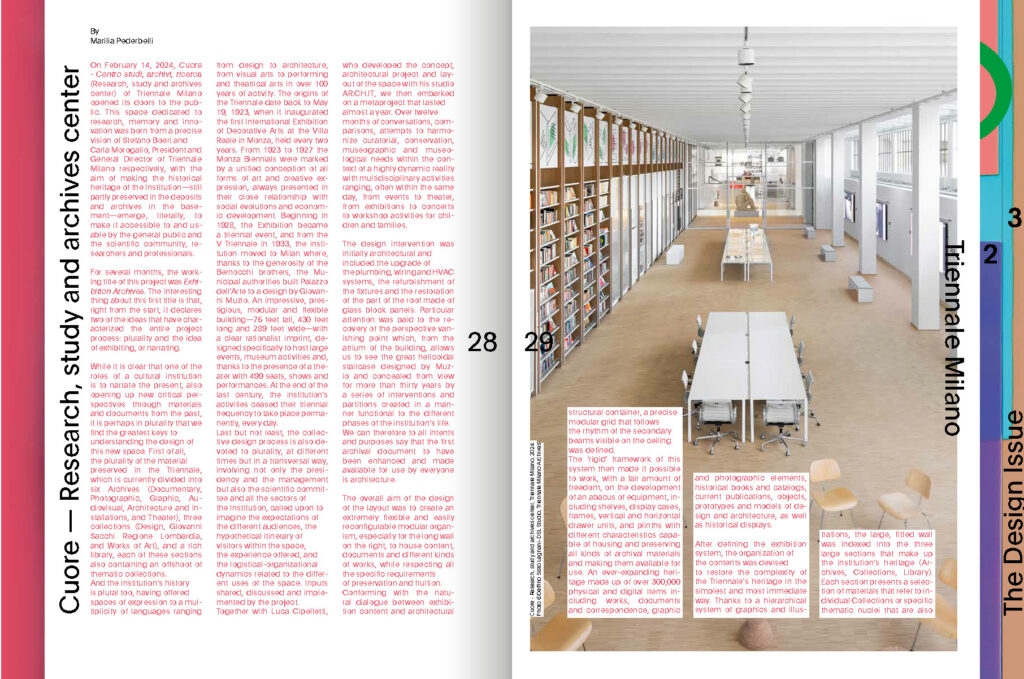
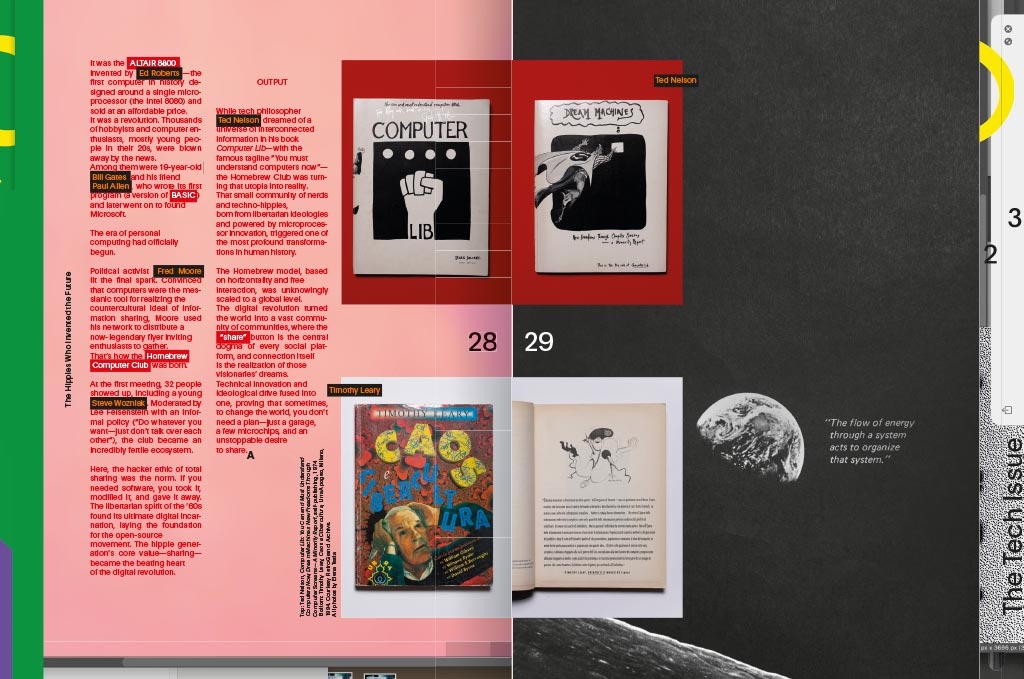
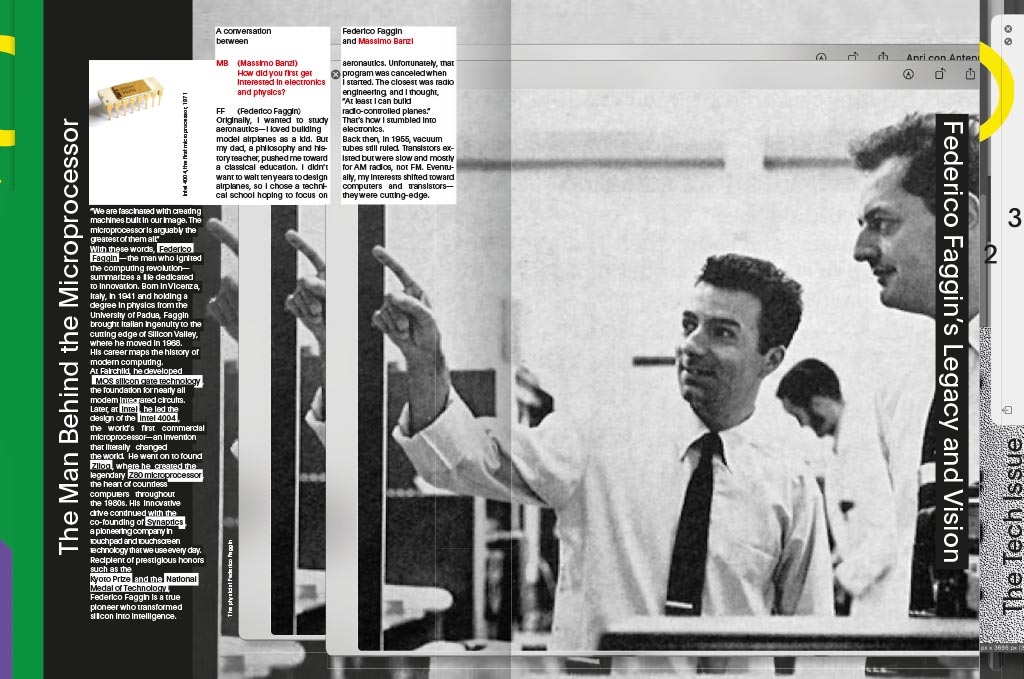
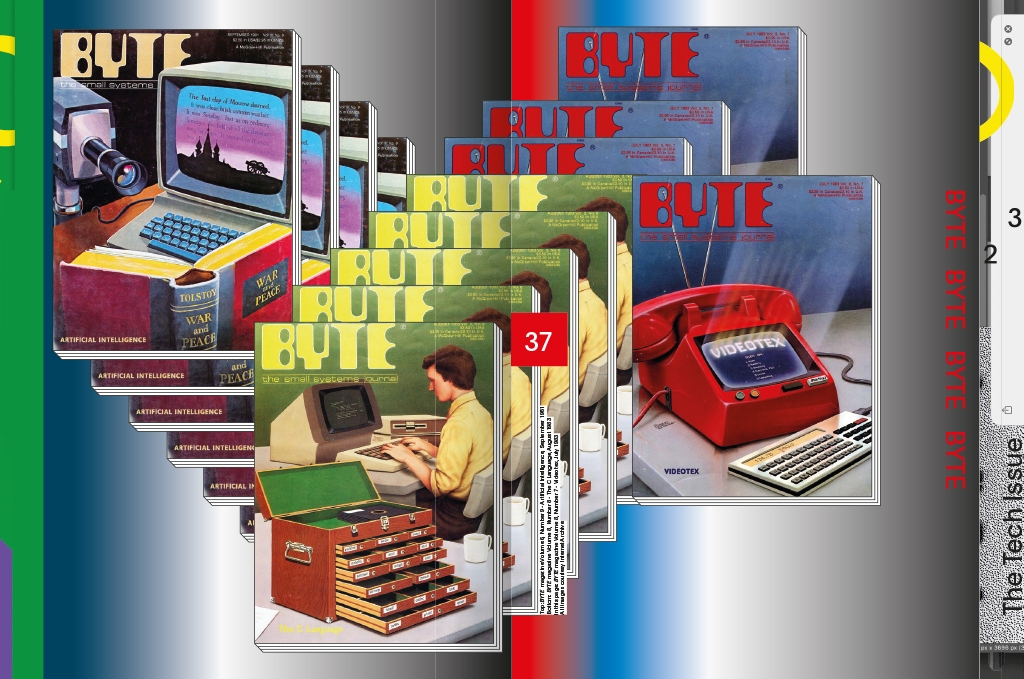
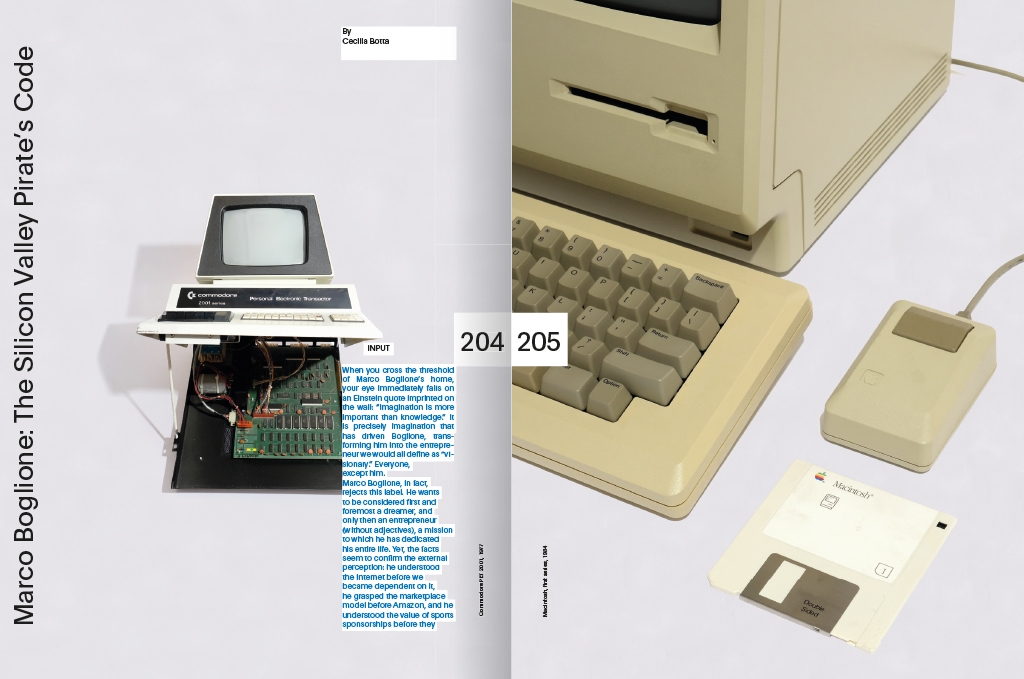
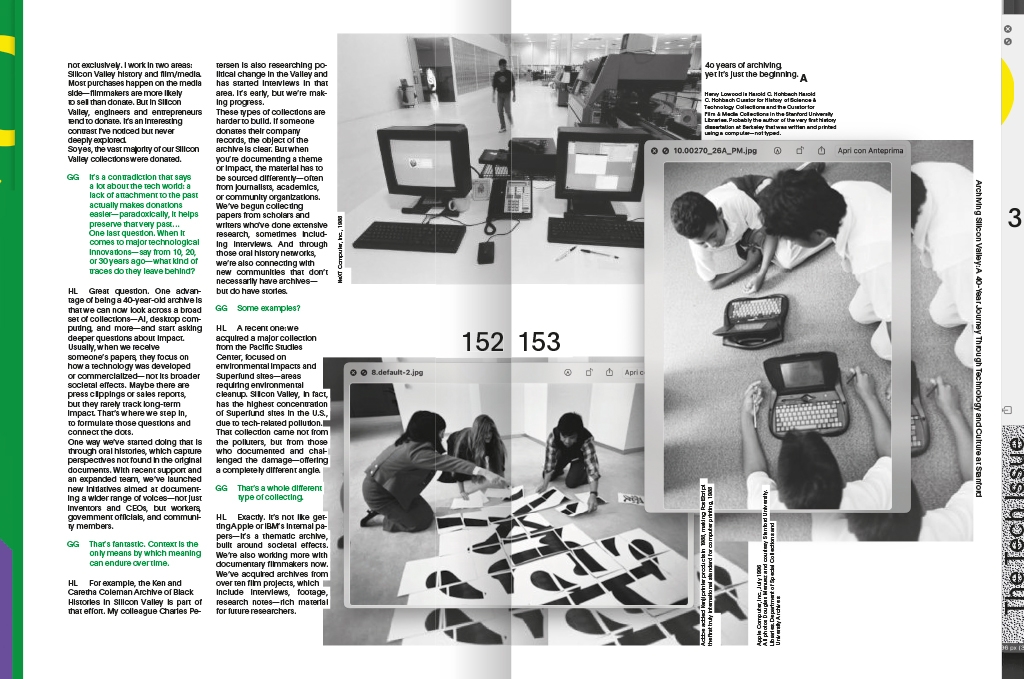
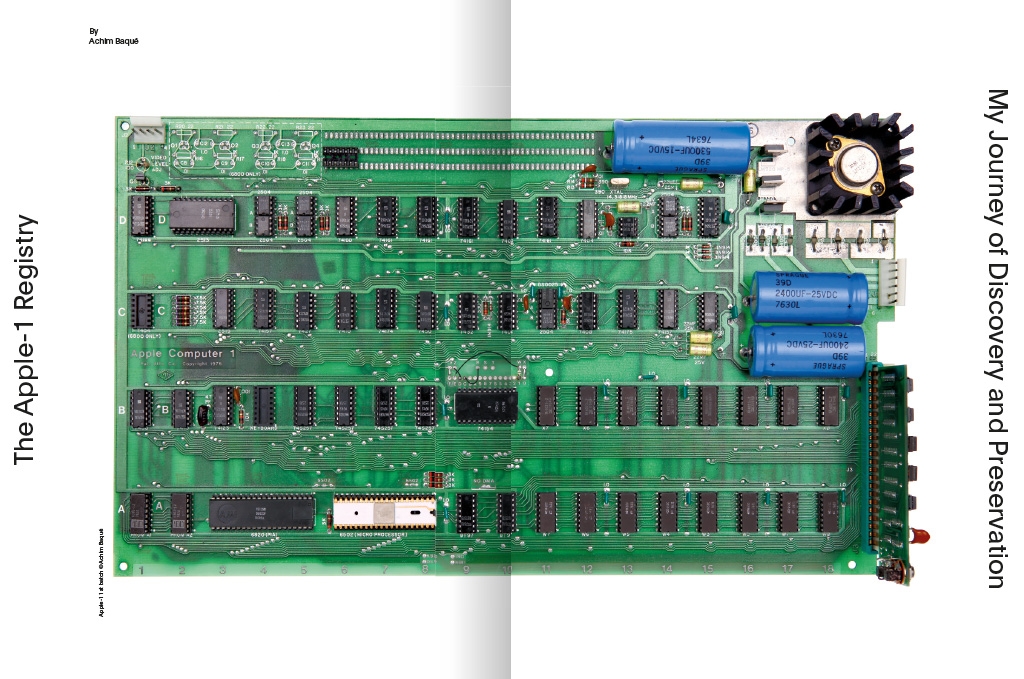
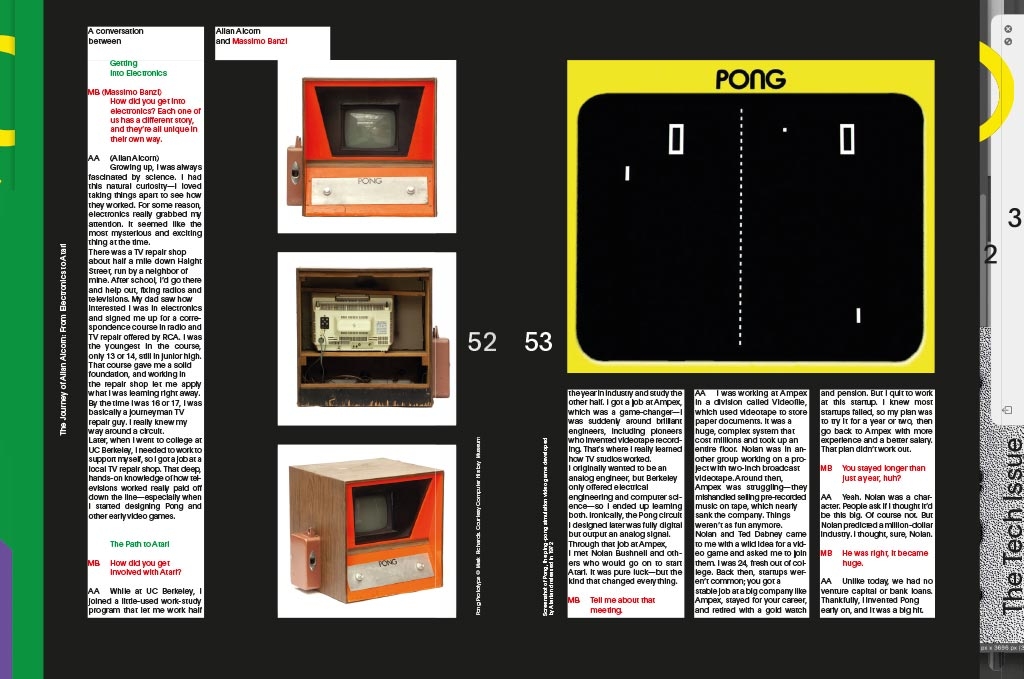
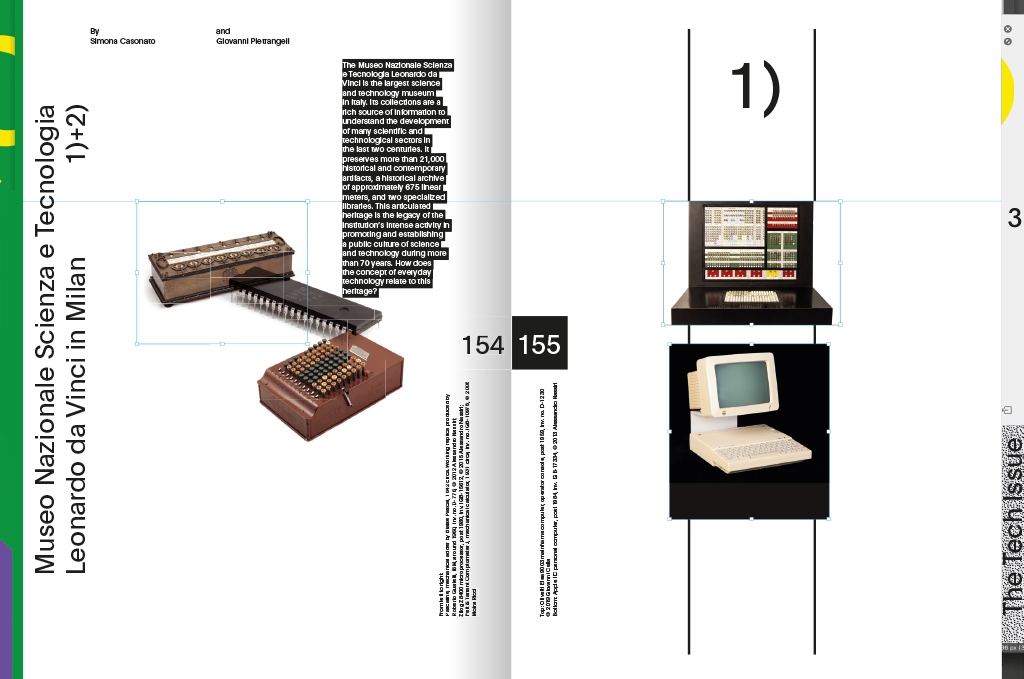
Massimo Banzi,“Often the most important innovations are the ones people talk about the least. The 6502 powered machines that defined a generation: these computers processed dreams, turning teenagers into programmers and hobbyists into entrepreneurs.”
Guest Editor
Glimpse of the Month
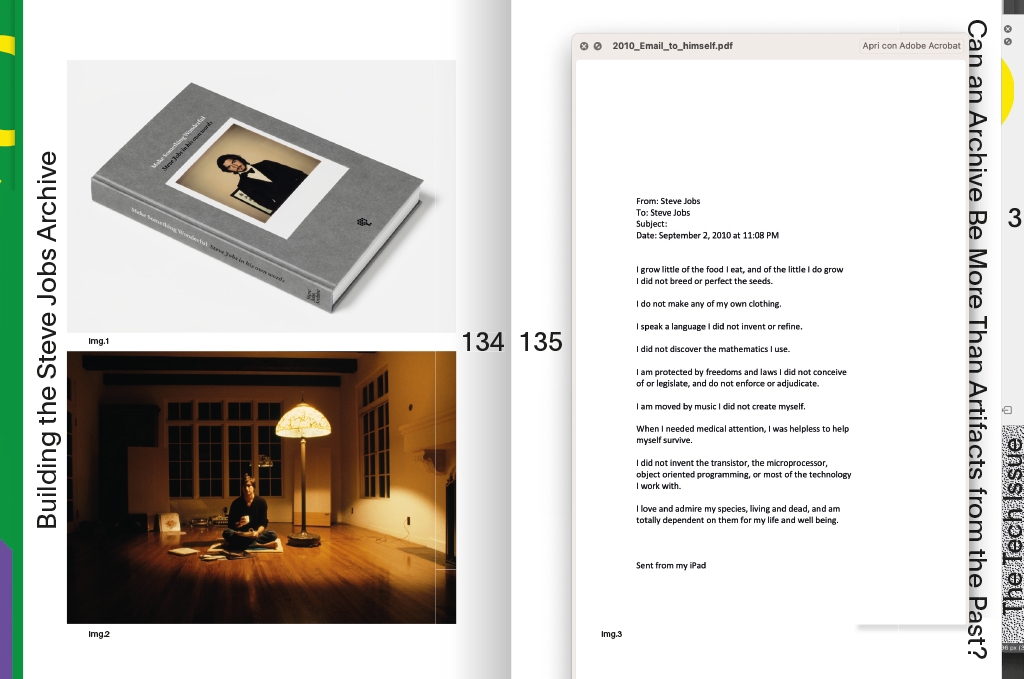
Building the Steve Jobs Archive
Can an Archive Be More Than Artifacts from the Past?
What shape should a Steve Jobs Archive take? From the outset, this was a tricky question to answer. The purpose of a typical archive is to preserve the past, but Steve always looked to the future. Many archives are built around artifacts, but Steve’s minimalist aesthetic seemed to demand a different focus. Moreover, his voracious curiosity—whose breadth meant his work changed the trajectories of computing, film, design, communications, and photography—opened the space for a new approach.
We ultimately identified three requirements for a Steve Jobs Archive: speak to the future as much as the past, don’t rely on material objects, and be as wide-ranging in
scope and impact as possible. With those criteria as our guideposts, we set out on a different path—toward what we’ve come to think of as an “archive of ideas.”
Of course, it’s essential that an archive preserve the past.